For a farmer, rain is normally something to be grateful for. It fills the soil, feeds the crop, and does a job no irrigation system can fully replace.
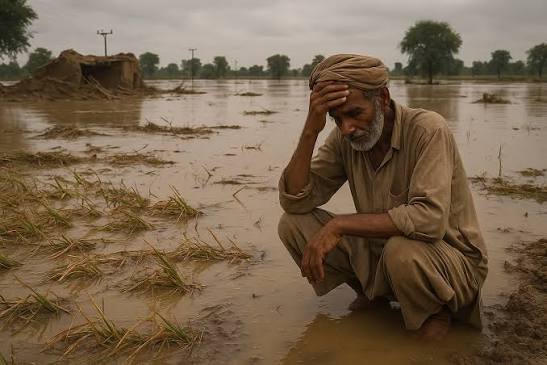
But rain has a limit. Past a certain point, the same water that should help a crop grow starts to work against it. Fields flood. Roots sit too long in standing water. Weeks of careful work can be undone in a single heavy spell.
That’s roughly the picture in parts of Pakistan this year. It’s not a story of the whole country underwater—2026 has actually been uneven. Some districts in Punjab, particularly along the Chenab and Ravi belt, have dealt with real flooding and waterlogged fields. At the same time, parts of Sindh and southern Punjab have faced the opposite problem: not enough water reaching farms early in the season. Two different weather problems, the same underlying risk for the people growing our food.
When Rain Turns Into a Loss
When a field floods, a farmer doesn’t just lose “a crop.” They lose the seed they paid for, the fertilizer already in the ground, the labor that went into planting, and the irrigation costs already spent. If the water comes at the wrong time, even machinery and harvesting plans get disrupted.
All of that happens before the farmer has earned a single rupee back. A flooded field isn’t a setback they can shrug off—it’s months of investment with no return, and often no clear way to make it up before the next season.
Vegetables Are Especially Sensitive to Weather
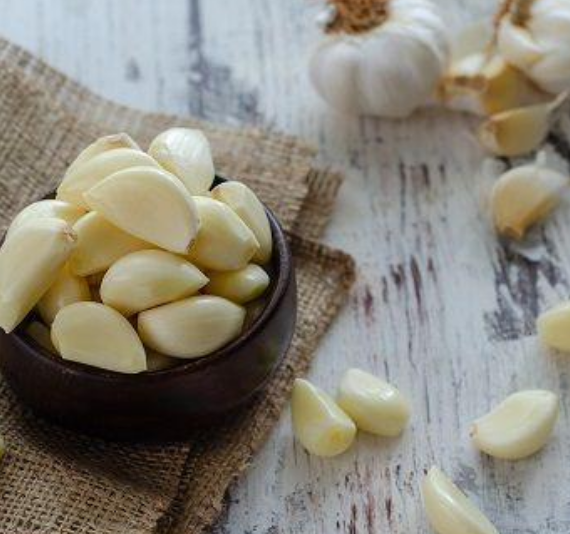
Vegetables tend to feel weather stress faster than crops like wheat or cotton. Garlic and onion bulbs can rot in waterlogged soil. Ginger, grown just under the surface, is vulnerable to the same problem. Green chilli and coriander are delicate enough that a few days of standing water or heavy humidity can affect quality even where the plant survives. Potatoes are prone to rot and disease pressure when fields stay wet too long, and mint, which is harvested frequently, becomes harder to pick cleanly when fields are muddy.
To be clear—this isn’t a claim that every one of these crops was damaged in 2026. The reality is patchy: some growing areas had a difficult season, others didn’t. But it explains why vegetable buyers should think about weather risk differently than they would for a grain crop that’s harvested once and stored.
From the Farm to the Buyer
A weather problem on one farm doesn’t stay on that farm. It moves through the same chain every vegetable travels: farmer, to local market, to trader, to processor or restaurant, to the buyer who eventually receives it.
When a growing area has a bad stretch, that can mean less produce reaching the market from that region, more pressure on traders to source from elsewhere, and sometimes delays or gaps for buyers relying on that area. It doesn’t automatically mean prices spike everywhere—pricing depends on supply, demand, transport, storage, and how many other regions are still producing normally. But it does mean availability and consistency can wobble in ways that are hard to predict from a buyer’s desk.
Why Reliable Sourcing Matters
This is really the practical lesson in all of this: no single growing region is immune to a bad season, whether that’s too much rain or too little. What protects a buyer isn’t hoping the weather cooperates—it’s working with suppliers who understand where their produce actually comes from, track seasonal conditions across more than one area, and have relationships built up over time rather than one-off purchases.
What This Means for Fresh Produce Buyers
Before committing to a supplier, it’s worth asking a few direct questions. Where does the produce actually come from—one district, or several? How does the supplier respond when one growing area has a rough season? Can they still deliver consistent quality and volume when conditions aren’t ideal? And do they genuinely understand the planting and harvest calendar for what they’re selling, or are they just reselling whatever’s available that week?
Suppliers who can answer these clearly tend to be the ones worth building a longer relationship with.
Ali Wasim Farm‘s Perspective
We source fresh produce—garlic, ginger, onion, green chili, coriander, potato, and mint among it—directly from farmer partners across Punjab, and we see this dynamic up close every season. When one area has a difficult stretch of weather, it’s the farmers there who absorb the first and hardest hit, long before it shows up as a line item anywhere else in the chain. That’s part of why we work with growers across multiple areas rather than depending on one, and why we pay attention to what’s actually happening on the ground each season rather than just watching a price sheet.
Conclusion
Behind every kilogram of garlic, onion, or coriander that reaches a kitchen or production line, there’s a farmer who carried the weather risk to get it there. For buyers, understanding that isn’t just useful background—it’s part of building a supply chain that holds up when a season doesn’t go as planned.